How to Make a Detroit Beat That Fits Babyfxce E and Rio Da Yung Og
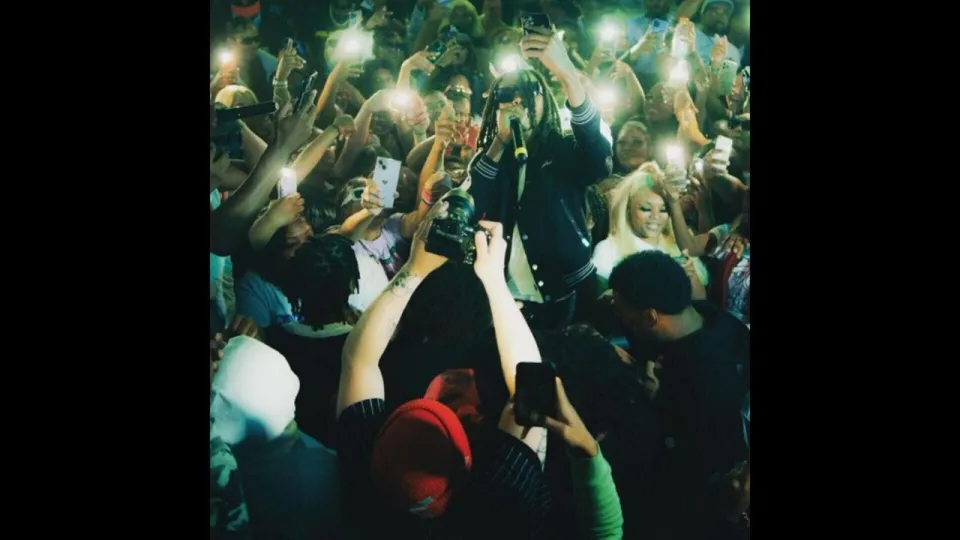
Video: [FREE] Babyfxce E x Rio Da Yung Og x Detroit Type Beat - “Superstar"
Need articles like this for your video? They help promote it on YouTube and Google — order them in the Telegram bot @sat_sit_bot. The bot writes and publishes the articles itself (with your YouTube video embedded) on popular topical websites (no ads). Free trial — 50 articles.
· based on the channel Flintana
Key takeaways
- Detroit beats typically run at 95–105 BPM with a dark, minor-key foundation — 'Superstar' sits at 99 BPM in B minor.
- The signature Detroit sound uses punchy kick patterns, off-kilter hi-hats, and simple, hypnotic melodies.
- Babyfxce E and Rio Da Yung Og favor sparse, repetitive beats that leave room for dense, conversational flows.
- Free downloads are for non-profit use only; commercial releases need an MP3 ($29.99), WAV ($39.99), or Unlimited ($89.99) license.
- Flintana's 'Superstar' is available for instant download at https://bsta.rs/X1GPw8 with a buy-2-get-1-free offer.
Making a Detroit beat that fits Babyfxce E and Rio Da Yung Og means locking in a slow, dark minor-key loop, programming punchy but minimal drums, and leaving plenty of space for dense, conversational flows. Start with a 99 BPM tempo in B minor, build a hypnotic 2–4 bar melody, then layer in the kick, snare, and hi-hat pattern that defines the modern Detroit and Flint sound. You can hear this exact approach in Flintana's "Superstar" instrumental — grab the untagged version for instant delivery at https://bsta.rs/X1GPw8.
What Defines a Detroit Beat
A Detroit beat is a slow, menacing trap subgenre built around minor-key melodies, hard-hitting but uncluttered drums, and a tempo that usually sits between 95 and 105 BPM. The style emerged from Michigan's rap scene — Detroit artists like Babyfxce E, Veeze, and BabyTron, plus Flint's Rio Da Yung Og — and it prioritizes groove and space over maximalist production. Unlike Atlanta trap, Detroit beats often feel more stripped back: the melody might be a single filtered loop, the 808s glide rather than stab, and the hi-hats roll in unpredictable, almost off-grid patterns. The result is a beat that sounds simple on the surface but has enough bounce to carry a full song.
Key characteristics you'll hear in most Detroit instrumentals:
- Tempo between 95 and 105 BPM ("Superstar" uses 99 BPM)
- Minor keys, especially B minor, F minor, and G minor
- Dark, detuned pianos, bells, or synth plucks
- Sparse 808 patterns with occasional slides
- Snappy snares or claps on the 3, with rolling hi-hats
- Minimal arrangement — often just intro, loop, and breakdown
Step-by-Step Guide to Building the Beat
To make a Detroit beat that fits Babyfxce E and Rio Da Yung Og, follow a structured workflow that prioritizes melody first, then drums, then space.
- Set your tempo and key. Start at 99 BPM and B minor, matching the pocket of "Superstar." This tempo is slow enough for laid-back, conversational delivery but fast enough to keep energy.
- Create a hypnotic melody loop. Use a dark piano, a detuned bell, or a filtered synth. Keep it to 2 or 4 bars and repeat it throughout — Detroit beats rarely change chords dramatically. A simple descending motif works well.
- Program the drums. Place a punchy kick on the 1 and the "and" of 3. Add a snare or clap on the 3. For hi-hats, use a mix of 16th notes and triplet rolls, but leave gaps so the rapper's voice sits clearly.
- Layer the 808. Tune your 808 to B and follow the root notes of your melody. Use slides sparingly — one or two per bar is enough. The 808 should feel deep and sustained, not choppy.
- Arrange for vocals. Keep the intro short (4–8 bars), drop the melody out briefly before the verse, and avoid adding new elements during the verse. Detroit rappers often ride one loop for the entire track.
- Mix for clarity. Carve out space in the 200–500 Hz range for vocals, keep the kick and 808 from clashing, and don't over-compress the melody. The beat should sound loud but not squashed.
Matching the Style of Babyfxce E and Rio Da Yung Og
Babyfxce E and Rio Da Yung Og both favor beats that stay out of the way, so the best Detroit beat for them is one that repeats a strong idea without distraction. Babyfxce E (often spelled Babyface E) delivers deadpan, offbeat punchlines in a conversational tone — he needs a beat with a steady pulse and minimal melodic movement. Rio Da Yung Og, from Flint, has a more animated, punch-in-heavy flow; he thrives on beats with a bit more bounce in the hi-hats and a slightly busier 808 pattern. When producing for both, aim for a middle ground: a dark loop, a solid kick-snare backbone, and enough rhythmic variation to keep either rapper locked in. Avoid overcrowding the high frequencies, since both artists sit in a similar vocal range.
Common Pitfalls and How to Avoid Them
Many producers new to Detroit beats make the mistake of overproducing — adding too many layers, chord changes, or effects — which buries the vocal. Keep your arrangement to 4–6 tracks maximum: melody, 808, kick, snare/clap, hi-hats, and maybe one atmospheric pad. Another common issue is hi-hat patterns that are too rigid; Detroit hats often feel slightly off-grid or swung, so nudge them a few ticks late or early. Finally, don't ignore the low end — if your 808 and kick aren't tuned to the same key, the beat will sound muddy. Sidechain the kick to the 808 or use a gentle EQ cut at 60–80 Hz on the kick to let the 808 breathe.
Licensing and Using Free Detroit Beats
Free Detroit type beats are usually for non-profit use only, meaning you cannot monetize them on Spotify, Apple Music, YouTube, or any streaming platform without a license. Flintana's "Superstar" follows this model: the free download is for demo or practice purposes, but commercial releases require a paid lease. The available licenses are MP3 ($29.99), WAV ($39.99), and Unlimited ($89.99). The Unlimited license typically allows unlimited sales and streaming, while the WAV lease covers standard distribution. If you've already released a song using the beat without a license, you can still purchase the correct license through the same link. Always check whether YouTube Content ID is covered — most basic leases do not include Content ID registration, so you may need to whitelist your video or upgrade.
Practical Tips for Mixing Vocals Over a Detroit Beat
When you record over a Detroit instrumental, your vocal mix should complement the beat's sparse arrangement. Use a high-pass filter around 80–100 Hz to remove rumble, then compress the vocal moderately to even out the conversational delivery. Add a short plate reverb for depth but keep it below 15% wet so the words stay intelligible. For ad-libs, pan them slightly left and right and add a touch more reverb. If the beat's melody is in B minor, make sure your vocal tuning (if any) stays in that key. Finally, reference your mix on phone speakers — Detroit rap is often consumed on small devices, so the vocal must cut through without relying on sub-bass.
Final Thoughts
Building a Detroit beat for Babyfxce E and Rio Da Yung Og comes down to restraint: a slow tempo, a dark minor-key loop, and drums that groove without crowding the vocal. Flintana's "Superstar" demonstrates this formula at 99 BPM in B minor, and the untagged version is available for instant download at https://bsta.rs/X1GPw8 — with a buy-2-get-1-free offer if you add both beats to your cart. Whether you're producing for yourself or licensing for a client, always secure the right lease before monetizing. Flintana, the channel behind this instrumental, regularly publishes Detroit and Flint type beats, so subscribing keeps you updated on new material. Use the free version to practice your flow, then upgrade when you're ready to release.
FAQ
Is the voice tag copyright-free?
The voice tag on a free beat is part of the producer's branding and is not cleared for commercial use. You must purchase a lease to get the untagged version, which removes the tag and allows distribution. Even then, the producer retains ownership of the beat itself.
Can I release a song on Spotify with the free download?
No. Free downloads are for non-profit use only. Uploading to Spotify, Apple Music, YouTube Music, or any streaming platform requires a valid license. The MP3 lease at $29.99 is the most affordable option for distribution.
How much does the beat cost right now?
Licenses start at $29.99 for MP3, $39.99 for WAV, and $89.99 for Unlimited. There is also a buy-2-get-1-free promotion when you add both qualifying beats to your cart. Instant delivery is available through the link in the description.
Does the lease cover YouTube Content ID?
Most basic leases do not include Content ID registration. If you plan to monetize on YouTube, you may need to whitelist your video or upgrade to a lease that explicitly covers Content ID. Check the license terms before releasing.
Source: [FREE] Babyfxce E x Rio Da Yung Og x Detroit Type Beat - “Superstar" · Markdown version
Questions & answers
Is the voice tag copyright-free?
The voice tag on a free beat is part of the producer's branding and is not cleared for commercial use. You must purchase a lease to get the untagged version, which removes the tag and allows distribution. Even then, the producer retains ownership of the beat itself.
Can I release a song on Spotify with the free download?
No. Free downloads are for non-profit use only. Uploading to Spotify, Apple Music, YouTube Music, or any streaming platform requires a valid license. The MP3 lease at $29.99 is the most affordable option for distribution.
How much does the beat cost right now?
Licenses start at $29.99 for MP3, $39.99 for WAV, and $89.99 for Unlimited. There is also a buy-2-get-1-free promotion when you add both qualifying beats to your cart. Instant delivery is available through the link in the description.
Does the lease cover YouTube Content ID?
Most basic leases do not include Content ID registration. If you plan to monetize on YouTube, you may need to whitelist your video or upgrade to a lease that explicitly covers Content ID. Check the license terms before releasing.